P/N RD0015H1600JBC: Instrument Panel Lighting Control
P/N RD0015H1600JBC: Instrument Panel Lighting Control
Blog Article
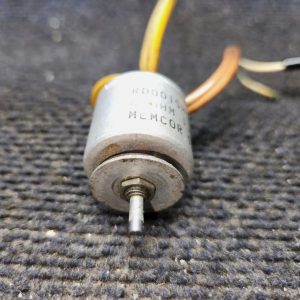
P/N RD0015H1600JBC provides aircraft owners, maintenance organizations, restoration specialists, and aviation parts buyers with an identifiable electrical control component for an appropriately verified Cessna 172F cockpit lighting installation.
Accurate use of Cessna 172F Rheostat, Cessna 172F Lighting Rheostat, and Cessna 172F Panel Light Rheostat terminology improves search relevance without overstating fitment.
These related terms help maintenance professionals and restorers locate website a suitable lighting-control component for a classic Cessna cockpit.
An Aircraft Lighting Rheostat, Aircraft Panel Light Dimmer, Aviation Lighting Control Rheostat, and Aircraft Instrument Lighting Control belong to the broader category of variable cockpit illumination components.
Clear package descriptions help buyers determine whether the no-knob rheostat requires additional hardware before installation.
Understanding P/N RD0015H1600JBC
The P/N RD0015H1600JBC designation should be confirmed through markings on the rheostat body, tags, donor-aircraft information, packaging, photographs, and available maintenance records.
The buyer should determine whether the rheostat is original, used, new-old-stock, repaired, refurbished, tested, untested, or removed from an aircraft.
Completing the Panel Lighting Control
The original knob can provide a useful dimensional and style reference when it remains available.
Improvised drilling, adhesive bonding, force-fitting, or overtightening can damage the shaft and reduce future repair options.
How a Cessna 172F Rheostat Controls Lighting
Some cockpit lighting systems may use additional switches, resistors, transformers, wiring, grounds, or circuit-protection devices.
Replacing the rheostat without diagnosing the full circuit may leave the original fault unresolved.
Aircraft Serial and Wiring Applicability
Compatibility should be established through the exact aircraft model, serial range, part number, circuit design, voltage, electrical load, terminal arrangement, and mounting dimensions.
Terminals should not be rearranged or bridged casually to make an unsuitable rheostat function.
Inspecting the Rheostat Housing and Shaft
A smooth mechanical feel does not prove that the internal electrical contact remains serviceable.
Mounting threads, nuts, washers, anti-rotation features, and panel-contact surfaces should be examined for wear or damage.
Checking Panel Lighting Connections
Electrical terminals should be inspected for corrosion, looseness, bending, damaged insulation, burned surfaces, broken hardware, and previous solder or crimp repairs.
Improvised jumper wires or substituted terminals can change circuit operation and introduce additional failure points.
Aircraft Electrical Bench-Test Considerations
Accurate test descriptions improve buyer confidence and maintenance planning.
Qualified electrical evaluation supports responsible use of the Aviation Lighting Control Rheostat.
Troubleshooting a Cessna Cockpit Dimmer
Common symptoms can include flickering, dead spots, limited adjustment, sudden brightness changes, complete lighting loss, excessive heat, or inconsistent operation.
A dimming range that differs from the original may indicate an incorrect electrical value or altered lighting load.
Preserving Cockpit Appearance and Function
Restorers may seek the correct housing, shaft, mounting style, knob design, panel location, and control labeling.
The missing knob may be sourced separately, reproduced appropriately, or reused from the removed control when its fit and condition remain suitable.
Managing Electrical Parts Inventory
Organized inventory management supports a more efficient Cessna 172F electrical project.
Electrical parts should be labeled and segregated according to identity, test status, and condition.
Evaluating Electrical Component Repair Value
Repair should not be selected solely because an original component is difficult to replace.
The repaired component should be tested through its full range before installation.
Rheostat Purchase Considerations
Components with clear donor-aircraft information, current photographs, and transparent test descriptions are easier for professional buyers to evaluate.
The listing should state whether the component is new, used, refurbished, tested, partially tested, untested, or offered for parts.
Inspecting the Rheostat Before Purchase
Any uncertainty regarding specifications, circuit function, knob compatibility, or aircraft fitment should be resolved before shipment.
- Compare the rheostat with the removed control, aircraft wiring information, panel opening, shaft dimensions, terminal arrangement, mounting hardware, and intended knob.
- Inspect the component for corrosion, heat discoloration, burned terminals, cracked insulation, bent shaft, damaged threads, loose housing, rough movement, contamination, and previous repairs.
- Require packaging that protects the shaft, mounting threads, terminals, identification markings, attached wiring, and housing from bending, impact, moisture, or abrasion.
Safe Handling of RD0015H1600JBC
The rheostat should be packaged so the shaft, terminals, mounting threads, housing, and identification markings remain protected from impact and bending.
Protective wrapping should avoid trapping moisture against metal surfaces.
Fitting P/N RD0015H1600JBC
The replacement rheostat should be compared with the original component for ratings, terminal arrangement, mounting dimensions, shaft style, and circuit function.
Wires should connect firmly without creating excessive side load on the terminals.
Abnormal heat, odor, intermittent operation, sudden brightness changes, or circuit-protection activation should receive immediate attention.
Routine Panel Dimmer Inspection
Long-term maintenance includes checking control movement, knob security, mounting tightness, terminals, wiring, heat discoloration, corrosion, lighting response, and panel condition.
The control knob should not be pulled, twisted beyond its stops, or used as a support for other equipment.
Buying a Cessna Cockpit Dimmer
P/N RD0015H1600JBC offers stronger commercial value when its electrical ratings, shaft dimensions, terminal layout, test status, condition, and documentation are described accurately.
The component should be judged according to complete electrical and installation suitability rather than clean appearance, Cessna association, smooth rotation, or purchase price alone.
Whether the part is purchased for scheduled maintenance, panel restoration, troubleshooting, vintage-aircraft preservation, replacement, or spare inventory, transparent information and professional oversight provide the strongest foundation.
With responsible purchasing, part-number research, controlled testing, secure mounting, and preventive electrical maintenance, the rheostat can remain a valuable cockpit asset.
Report this page